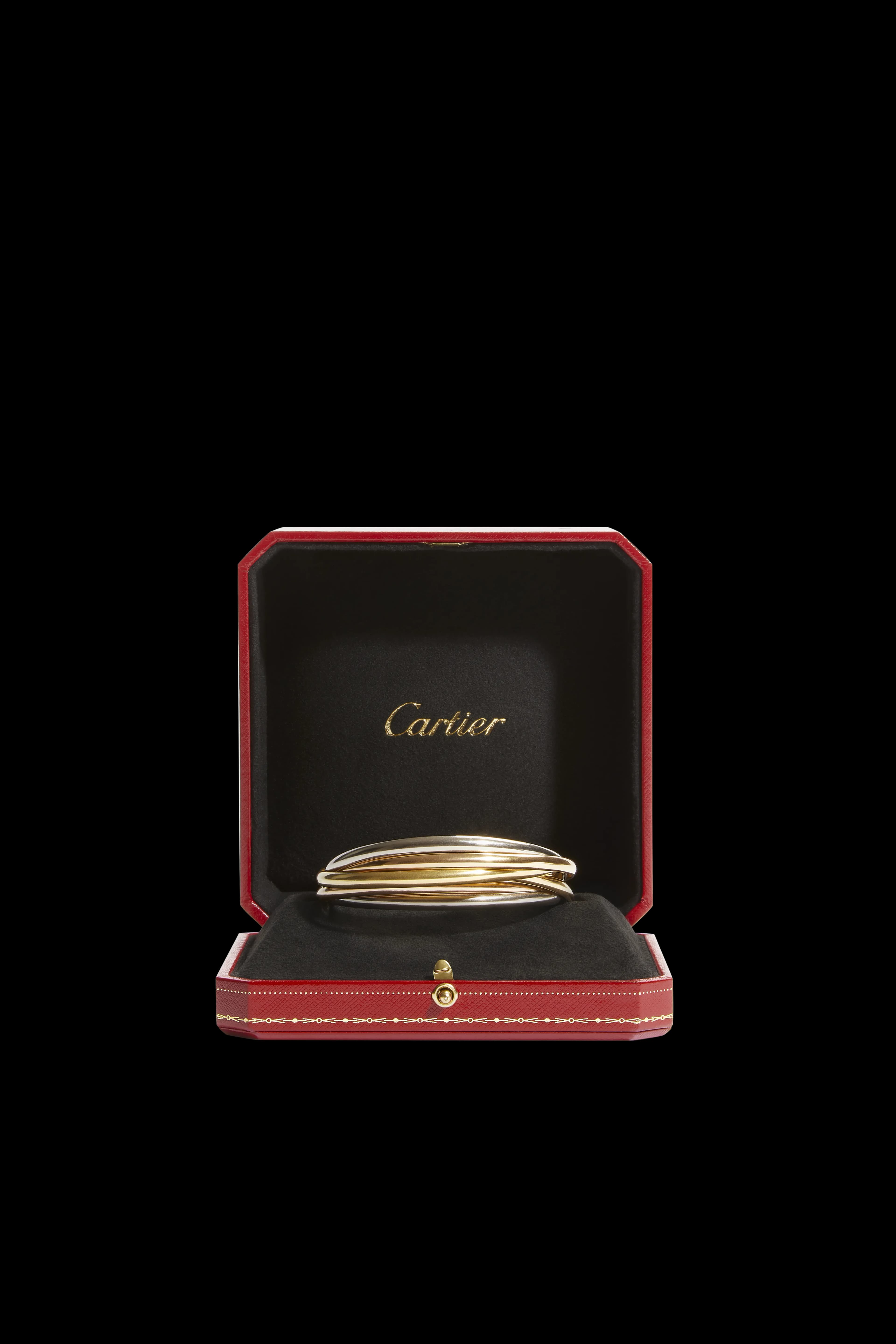
Asset Class: Fine Jewellery & Diamonds
Loans Against Fine Jewellery and Diamonds
Discreet lending of £61,000 to £2,000,000 secured against signed jewellery by Cartier, Van Cleef & Arpels, Graff and Bulgari, certified diamonds and important coloured gemstones, exclusively for certified high-net-worth individuals.
Who this is for
Liquidity against the jewellery you already own
SAFE Lending Co provides direct loans against fine jewellery and diamonds across the UK, secured against signed pieces by Cartier, Van Cleef & Arpels, Graff, Harry Winston and Bulgari, certified diamonds and important coloured gemstones. Loans start at £61,000 and scale to £2,000,000, with terms of 3 to 12 months and no early repayment fees after the initial 3-month period.
Our clients are collectors, inheritors and asset-rich individuals who want to release capital without selling: to bridge a property transaction, settle a tax bill, fund a business opportunity or act on an investment window. Your jewellery stays sealed in our insured vault. You retain ownership and the right to redeem the exact piece at the end of the term.
Roughly 85 per cent of pawnbroking clients redeem their assets at the end of the term. Most never intended to part with a piece permanently, particularly where it carries personal or family significance. Our service is built around that outcome.
What we lend against
Signed pieces by the great houses, certified diamonds, important coloured gemstones and period jewellery. Each piece valued on its own merits: laboratory grading and origin first, with signature and provenance premium where they exist.
Signed jewellery from the great houses
Cartier (Panthère, Love, Juste un Clou, Tutti Frutti), Van Cleef & Arpels (Alhambra, Perlée, Zip), Graff, Harry Winston, Bulgari (Serpenti, B.zero1), Tiffany & Co, Boucheron, Chaumet, Buccellati and Chopard. Original boxes, certificates and archive extracts directly support the valuation.
Important diamonds
Solitaires and loose stones from roughly 2 carats upward, D–Z colour and fancy coloured diamonds, accompanied by GIA, IGI or HRD grading reports. Significant single stones, matched pairs and high-clarity examples are valued on current polished-diamond market data.
Coloured gemstones
Kashmir and Ceylon sapphires, Burmese “pigeon’s blood” rubies and Colombian emeralds, ideally with origin and treatment reports from Gübelin, SSEF or AGL. Unheated, untreated and no-oil stones of fine origin command a substantial premium.
Engagement rings and solitaires
Branded and unbranded engagement rings and solitaire pieces of £61,000 value and above, certified by a recognised laboratory. We can re-grade an uncertificated stone in-house where required, with your consent, before finalising a valuation.
Period and antique jewellery
Georgian, Victorian, Edwardian, Art Nouveau, Art Deco and Belle Époque pieces, including signed period jewellery. Period, craftsmanship, original condition and documented provenance are weighted heavily alongside intrinsic stone and metal value.
High jewellery, suites and single lots
Necklaces, tiaras, bracelets, brooches, parures and matched suites of auction grade. Individual important pieces with exhibition or sale-room provenance are valued against comparable lots from the international jewellery sales.
Valuation
How your jewellery is valued
Every valuation is built on laboratory grading and the 4 Cs for diamonds, origin and treatment for coloured stones, and signature, house and period for the piece, benchmarked against live results from the Christie's, Sotheby's and Bonhams jewellery sales.
Laboratory certification and the 4 Cs
For diamonds, carat, colour, clarity and cut drive value, evidenced by GIA, IGI or HRD reports. We work to the grading on file and, where a stone is uncertificated, can arrange laboratory grading before lending. The certificate stays sealed with your piece throughout the loan.
Signature, house and period
A signed Cartier, Van Cleef & Arpels or Graff piece trades materially above an unsigned equivalent of the same stone and metal weight. Original fitted cases, certificates of authenticity and maison archive extracts add measurable value, as do desirable discontinued collections.
Coloured-stone origin and treatment
Origin and treatment are decisive for coloured stones. An unheated Burmese ruby, a Kashmir sapphire or a no-oil Colombian emerald supported by a Gübelin, SSEF or AGL report can be worth several times a heated or treated counterpart of similar size.
Live auction and secondary-market comparables
We benchmark against current results from the Christie’s, Sotheby’s and Bonhams jewellery sales and the signed-piece secondary market. You see the comparable lots behind your valuation, not a static figure from an insurance replacement estimate, which overstates resale value.
Storage
How your jewellery is stored
For the duration of the loan, your jewellery sits sealed and individually tagged in an allocated, alarmed, insured vault, never commingled, with its grading reports stored alongside it and inspectable on request.
Segregated, fully insured vault storage
Pieces are held individually bagged and tagged in an allocated, alarmed vault under your name, fully insured to agreed value for the duration of the loan. Your jewellery is never commingled, displayed or used for any other purpose.
Grading reports and documentation retained with the piece
GIA, IGI, Gübelin and SSEF reports, certificates of authenticity and original boxes are sealed and stored alongside the item, so the asset and its paperwork are never separated. Condition is photographed and recorded on intake.
Insured handling and inspection rights
Collection and return are by insured secure courier or in person by appointment. Our team is insured to handle items to £5,000,000 in value. You may inspect your jewellery during the loan with 48–72 hours’ notice.
Pawn or sell?
Selling ends your position. Pawning keeps the piece.
Selling fine jewellery, through a retailer, dealer or auction, ends your ownership and rarely makes sense when the need is short-term liquidity, because resale is priced well below replacement cost. A loan secured against the same piece gives you the cash you need and leaves both ownership and the piece itself in your hands.
Selling signed jewellery through a retailer or dealer typically realises 30–50 per cent below the original retail price, as resale is priced against the secondary market rather than replacement cost.
Auction sale costs the seller commission plus charges, and the hammer price you achieve is suppressed by the buyer’s premium layered on top.
Engagement rings and inherited pieces often carry sentimental value that a sale ends permanently. A loan lets you raise capital and keep the piece.
A loan secured against your jewellery is not a disposal. You retain ownership and the option to redeem the exact piece at the end of the term.
Figures are indicative market norms, not specific to any individual sale. Speak to a qualified tax adviser for guidance on the tax treatment of selling jewellery in your circumstances.
Related reading
Guides to help you weigh up borrowing against your assets.
Jewellery & Diamond Lending: Common Questions
Answers to the questions we hear most often from clients borrowing against fine jewellery, diamonds and coloured gemstones.
Signed pieces by Cartier, Van Cleef & Arpels, Graff, Harry Winston, Bulgari, Tiffany & Co, Boucheron, Chaumet and Buccellati; certified diamonds and solitaires; important coloured gemstones; engagement rings; and period and antique jewellery. Minimum total value £61,000.
It helps and usually supports a stronger loan-to-value, but it is not essential. For an uncertificated stone we can arrange grading with GIA, IGI or HRD before lending, or grade it in-house with your consent. Coloured stones benefit greatly from a Gübelin, SSEF or AGL origin report.
Yes, materially. A signed piece by Cartier, Van Cleef & Arpels, Graff or Harry Winston trades well above an unsigned equivalent of the same stone and metal content. Original boxes, certificates and maison archive extracts add further value, as do sought-after discontinued collections.
On species, origin and treatment first, then size and quality. An unheated Burmese ruby, a Kashmir sapphire or a no-oil Colombian emerald with a Gübelin, SSEF or AGL report can be worth several times a heated or treated stone of similar dimensions. We benchmark against recent coloured-stone auction results.
Yes, provided the piece meets the £61,000 minimum. Branded and unbranded engagement rings and solitaires are within scope. Many clients choose a loan precisely because it lets them raise capital without parting permanently with a ring of personal significance.
Yes. Georgian, Victorian, Edwardian, Art Nouveau, Art Deco and Belle Époque pieces, including signed period jewellery, are all within scope. Period, craftsmanship, original condition and provenance are weighted alongside intrinsic stone and metal value, and assessed against comparable period-jewellery sales.
By the 4 Cs and laboratory grading for diamonds, by origin and treatment for coloured stones, and by signature, house, period and condition for the piece as a whole, all benchmarked against current results from the Christie’s, Sotheby’s and Bonhams jewellery sales. We value on realistic resale, not inflated insurance replacement figures.
Individually bagged, tagged and held in an allocated, alarmed vault under your name, fully insured to agreed value. Grading reports and original boxes are sealed and stored with the piece. Your jewellery is never commingled or displayed, and you may inspect it with 48–72 hours’ notice.
Yes. The GIA, IGI, Gübelin or SSEF report, any certificate of authenticity and the original box are sealed and stored alongside the item itself, so the asset and its documentation are never separated during the loan.
Yes. After the minimum 3-month term you can redeem your piece at any time with no early repayment fees or exit charges. Repay the outstanding balance and accrued interest and we arrange secure return or collection in person.
Provided we have full details, photographs and proof of ownership, we can typically authenticate, value and fund a jewellery loan within 3 to 10 working days. Arranging fresh laboratory grading or coloured-stone origin reports, where needed, can add a little time.
We always explore extension options first. If the loan is not repaid by the end of the agreed term, the piece may be sold, typically through a specialist jewellery auction or private sale, to recover the debt. Any surplus above the outstanding balance is returned to you.
Ready to discuss a loan against your jewellery?
Submit an enquiry with the piece, any grading reports or certificates and a few photographs. We respond within 24 hours and arrange a free valuation. No commitment, no fee.